
Lake Como: Beauty Is the Bait, Proximity Is the Prize
How the lake keeps the ultra-wealth coming back for generations
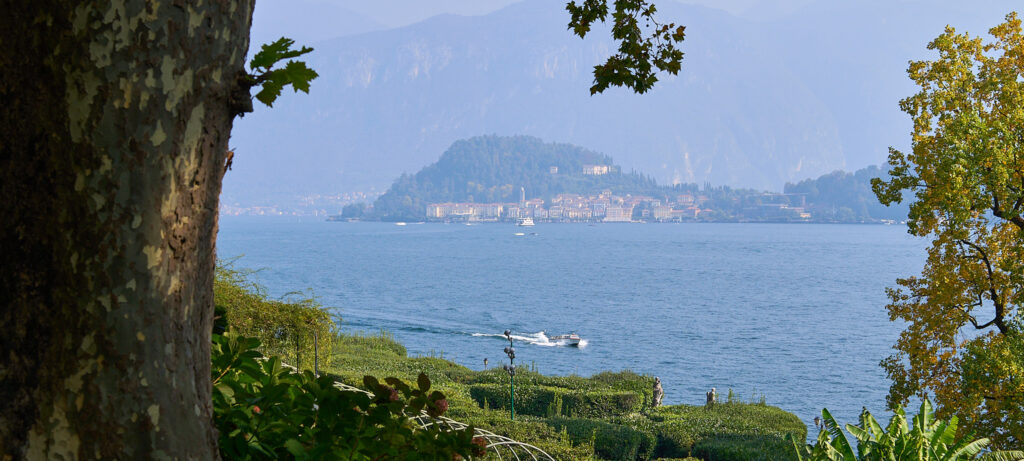
Beauty Is the Entry Point
Lake Como does not compete for attention. It absorbs it.
The first encounter is visual: folded mountains, glacial water reflecting silver and indigo within minutes, villas suspended between cypress and stone. Visitors arrive, step onto a terrace, and assume the scenery explains the magnetism. It does not.
Beauty opens the door. Structure keeps it open.
The lake’s Y-shaped glacial formation compresses geography into deliberate corridors. Roads narrow. Shoreline is finite. Hillsides rise steeply, limiting expansion. Along forty-six kilometres of waterfront, estates withdraw into woodland or ascend terraced slopes, reducing adjacency by design. There are no endless strips of buildable land. Scarcity is geological before it is financial.
Proximity to Milan amplifies this logic. Within an hour, one moves from boardroom to private dock. It is not remoteness; it is controlled distance. Access without exposure. Withdrawal without exile.
For two thousand years, this configuration has drawn a particular profile: individuals who already possess scale and now seek insulation. Roman elites built lakeside villas. Renaissance families transferred urban capital into stone compounds along the shore. Industrial dynasties layered wealth into estates rather than expanding footprints. The pattern repeats because the geometry does not change.
Structural Protection of Scarcity
Scarcity on Lake Como is not a marketing narrative. It is enforced.
Heritage protections restrict demolition and volumetric expansion. Buildable plots are finite. Private docks are limited. Inventory rarely expands meaningfully. Restoration dominates over new construction, and restoration tends to preserve lineage rather than multiply units.
Transactions occur quietly. Listings are selective. Supply does not surge in response to global cycles.
Foreign buyers account for a significant share of prime transactions, with American demand particularly visible in recent years. Yet ownership does not behave like turnover markets elsewhere. Transfers are frequently intergenerational. Cash purchases remain common. Hold periods extend beyond trend windows.
Prime lakefront values regularly range between €10,000 and €20,000+ per square metre depending on exposure, access, and dock rights. Demand consistently exceeds visible supply. Appreciation has been measured rather than explosive, reinforcing stability over speculation.
The lake does not reward haste. It rewards continuity.
Architecture as Inheritance
On Como, architecture is rarely decorative. It is declarative.
Villa d’Este, begun in 1568 for Cardinal Gallio, evolved across centuries before conversion into a hotel in the nineteenth century. Passalacqua, expanded in 1787, later hosted Bellini during creative periods that reshaped opera. These estates were never conceived as seasonal rentals. They were built to endure political transitions, economic shifts, and family succession.
New owners enter an existing narrative rather than invent one.
Modern renovations preserve façades, gardens, axial views, and water access. Additions are restrained. Excess height or conspicuous volume meets resistance — regulatory and cultural. The architecture signals commitment. It implies duration.
In markets where new construction proliferates to capture speculative demand, buildings often serve turnover. On Como, buildings serve inheritance.
The Clooney Effect and Its Limits
George Clooney’s purchase in Laglio brought renewed visibility to the lake. For a period, global headlines treated Como as rediscovered. Yet the transaction illustrates the lake’s true mechanism: entry is possible, but assimilation requires alignment with its tempo.
After acquiring the property, Clooney invested in restoration rather than expansion. The villa appreciated. The setting absorbed the attention. The broader market did not distort. The lake accommodates visibility without surrendering structure.
Celebrity may amplify awareness. It does not alter geometry.
Dispersion as Discretion
Unlike compressed coastal enclaves where hotels cluster and foot traffic accumulates, Lake Como disperses ownership along curves and elevations. Estates are separated by vegetation, elevation changes, and water access points. Neighbours exist, but rarely intrude.
Contrast this with dramatic cliff destinations such as the Amalfi Coast, where terrain compresses roads and intensifies exposure. There, privacy requires constant negotiation with density. On Como, dispersion reduces the need for negotiation altogether.
Visibility narrows naturally.
Rhythm Over Scale
At the highest tier, luxury here is not measured by acreage alone but by rhythm.
Days unfold without visible strain. Transfers align with water routes. Meals follow light rather than schedule. Spontaneous changes — a shift of dock, an alternate shoreline for dinner — occur within an ecosystem that anticipates them.
This atmosphere can be mistaken for ease. It is not ease; it is orchestration absorbed into landscape.
Fragmented management disrupts this rhythm. Multiple agencies introduce handovers. Discrete teams generate seams. In a setting where continuity underpins value, interruption weakens the experience.
An integrated on-site couple — unifying culinary rhythm, transport, coordination, and discreet oversight — mirrors the lake’s structural logic. One point of contact preserves sequence. Information remains contained. Adjustments are anticipated rather than reactive.
When property functions as a long-term anchor, management must reflect the same permanence.
Permanence as Persuasion
Franz Liszt once wrote that if one were to tell the story of two happy lovers, it should unfold on the banks of Lake Como. The remark captures atmosphere. Yet atmosphere alone does not sustain markets for centuries.
What persuades wealth here is permanence.
The lake filters for those who prefer alignment over display. For families seeking insulation without isolation. For individuals who measure success not by acquisition speed but by endurance.
Beauty begins the conversation.
Continuity completes it.
And on Lake Como, that conversation has endured for two millennia.